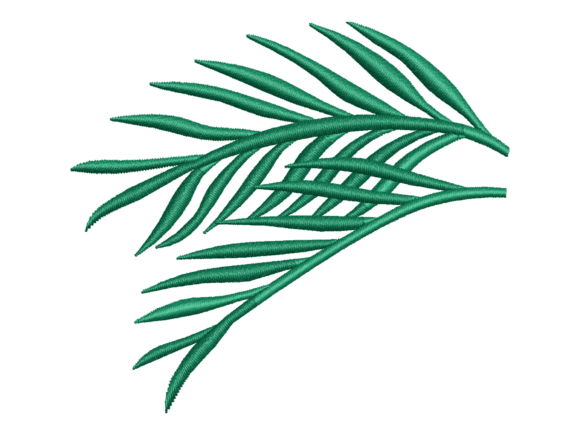
Tropical Palm Leaf Embroidery: A Craft Fair Review
As an experienced embroidery designer preparing for a weekend craft fair, I approach every new digital file with a critical eye. It is not enough for a design to look beautiful on a screen; it must translate into a profitable handmade product that catches the attention of shoppers walking past a booth. When evaluating the Tropical Palm Leaf Embroidery design, my primary focus is on its commercial viability and production efficiency. This review breaks down how this specific machine embroidery design performs in real-world scenarios, from digitizing integrity to final sales appeal for Etsy sellers and boutique makers.
First Impressions and Market Positioning
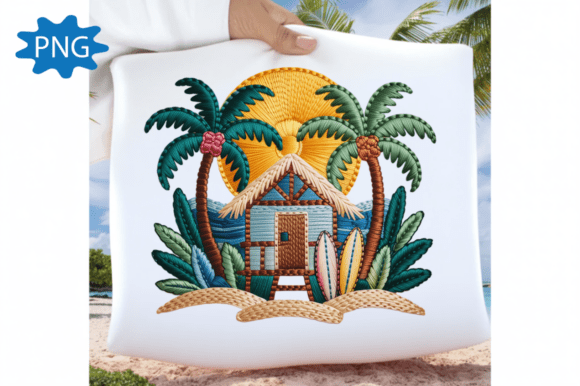
Upon opening the digital files, the Tropical Palm Leaf Embroidery immediately presents as a bold, modern botanical motif. Despite being categorized under "Forest," the aesthetic leans distinctly toward contemporary tropical or resort wear rather than dense woodland imagery. For a craft fair table, this distinction is vital. Shoppers are often drawn to bright, clean lines that suggest relaxation and vacation vibes. The design feels premium yet accessible, striking a balance between intricate detail and readable silhouettes that can be spotted from three feet away.
For creative entrepreneurs, this visual clarity is a major selling point. In a crowded market environment, customers do not have time to decipher complex art. They respond to instant recognition. This design succeeds because the palm fronds are stylized enough to remain legible on textured fabrics while retaining enough organic flow to feel handcrafted. It avoids the stiff, robotic look that can plague lower-quality digitizing, making it an excellent candidate for high-perceived-value items.
Best Performing Products for Booth Displays
When planning inventory for a handmade market, versatility is key. Based on the structure of Tropical Palm Leaf Embroidery, several products stand out as top performers for both physical booths and online listings.
- Tote Bags and Market Shoppers: This is arguably the strongest application. The natural canvas texture of a tote bag complements the organic theme of the palm leaf. As a tote bag design, it offers ample space for the motif to breathe, creating a focal point that acts as a walking advertisement for your brand at the fair.
- Tea Towels and Kitchen Linens: Botanical themes are perennial bestsellers in home decor. As a tea towel embroidery project, this design works beautifully on flour sack cotton or linen blends. The contrast of green thread against white or cream fabric creates a fresh, farmhouse-meets-tropical aesthetic that appeals to gift buyers.
- Aprons for Makers and Chefs: Apron embroidery requires durability. This design’s stitch path appears robust enough to withstand washing without losing definition, making it ideal for functional wearables sold to fellow vendors or home cooks.
- Embroidered Patches: For sellers looking to maximize profit margins, converting this into an embroidered patch is a smart move. Patches allow you to utilize scrap fabric and sell a finished good at a lower price point with higher turnover rates.
Production Practicality and Batch Efficiency
For small shop owners, time is money. A design might be gorgeous, but if it takes forty minutes to stitch out or requires constant supervision, it kills profitability. Tropical Palm Leaf Embroidery seems optimized for batch production. The likely use of satin stitches for veins and fill stitches for the frond bodies suggests a reasonable run time. This efficiency allows me to hoop multiple items or cycle through colors quickly during prep week.
Photographing for Etsy listings is another practical consideration. The distinct shape of the palm leaf photographs exceptionally well. Unlike abstract florals that can blur in photos, this design maintains crisp edges, making it perfect for printable mockups and social media marketing. Clear photography reduces customer hesitation and returns, which is crucial since digital products cannot be returned. When listing the digital embroidery file itself, ensure your sample photos show the design on actual fabric, not just a digital render, to build trust with fellow crafters.
Critical Technical Considerations for Success
While the design is versatile, professional results depend on respecting technical limitations. As designers, we must anticipate where issues arise before they ruin a finished product.
Fabric Texture and Stabilization
Palm leaves often involve directional stitching that can push fabric. On stretchy knits or loose-weave linens, proper stabilizer selection is non-negotiable. I recommend testing with cut-away stabilizer for apparel to prevent puckering around the stem details. For thicker items like caps or plush towels, verify that the stitch density is not too high, as excessive penetration can cause needle breaks or fabric distortion. Always check the recommended hoop size included in the ZIP or RAR download to ensure you have adequate clearance.
Thread Colors and Contrast
The impact of Tropical Palm Leaf Embroidery relies heavily on thread colors. While variegated threads can add interest, they sometimes obscure the internal details of leaf veins. For maximum retail appeal, solid threads with high sheen (rayon or polyester) often photograph better and catch booth lighting more effectively. Test your color palette on scrap fabric first; what looks vibrant on a monitor may appear muddy on dark navy canvas. High contrast ensures the design reads clearly from a distance.
Scaling and Detail Retention
If you plan to resize this design for smaller items like pouches or baby bibs, proceed with caution. Reducing a botanical design by more than 20% can cause satin stitches to become too narrow or tiny details to disappear. If the original embroidery file does not include pre-sized variations, avoid aggressive resizing to maintain professional quality. Clarity always trumps size flexibility in commercial embroidery.
Enhancing Brand Value and Customer Engagement
Incorporating Tropical Palm Leaf Embroidery into your lineup does more than add a pretty picture; it elevates your brand's perceived value. Consistent use of high-quality design assets signals to customers that you are a serious maker. When displayed alongside complementary items—perhaps matching coasters or zipper pulls—the design helps create a cohesive collection rather than a disjointed assortment.
For those selling the digital files themselves, transparency is paramount. Since this is a digital product with no physical shipment and no returns allowed due to the nature of instant downloads, your description must be flawless. Clearly state compatible formats and licensing terms. If you are using this for commercial embroidery on finished goods, double-check the license agreement within the download to ensure you are compliant. Ethical business practices protect your reputation in the tight-knit crafting community.
Final Designer Verdict for Sellers
Tropical Palm Leaf Embroidery represents a strong opportunity for craft fair vendors and digital sellers alike. Its blend of modern aesthetics and production-friendly structure makes it a reliable workhorse for summer markets, resort boutiques, and home decor shops. By focusing on high-contrast applications, respecting fabric limitations, and presenting professional samples, this design can significantly boost engagement and sales.
Remember, success lies in the details. Create at least one real-world mockup before committing to bulk production. Compare fabric colors under natural light. Confirm your hoop capabilities. Whether you are stitching out tote bags for a weekend festival or listing the digital embroidery file for global download, treating this design with professional rigor will yield the best returns. In the competitive world of handmade and digital crafts, quality execution is what turns a simple palm leaf into a signature product.