Applique Bunny Embroidery: A Craft Fair Review
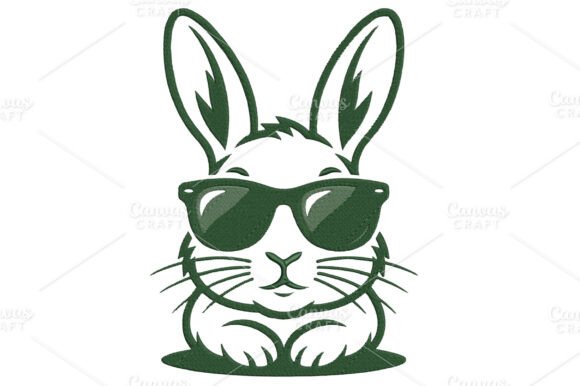
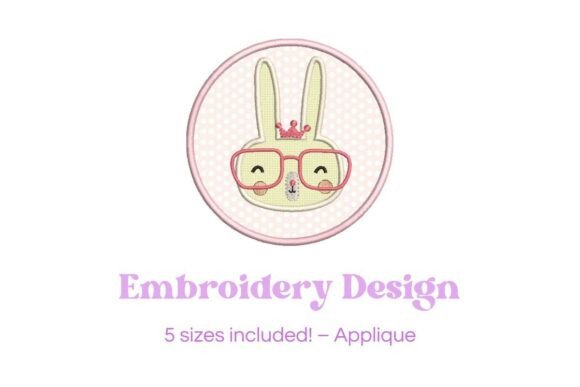
As an embroidery designer preparing for the upcoming spring market season, I am constantly evaluating which digital assets will translate best from screen to physical booth display. When reviewing the Applique Bunny Embroidery design, my immediate assessment is that this file strikes a highly marketable balance between whimsical and sophisticated. The description highlights a "nerdy bunny" with glasses, suggesting a character-driven aesthetic that moves beyond generic nursery decor. For craft fair sellers and Etsy sellers, this specific personality trait is a selling point; it targets a niche audience of book lovers, teachers, and parents who appreciate quirky charm over traditional pastel bunnies. While categorized under Easter, the bespectacled nature of this applique makes it a viable year-round seller for academic or literary-themed handmade products.
First Impressions and Booth Appeal
When I load this machine embroidery design into my software, the first thing I look for is visual clarity at a distance. A craft fair product must be readable from three feet away as customers walk past a table. The Applique Bunny Embroidery appears to rely on bold shapes typical of applique work, which is excellent for visibility. The addition of glasses adds a focal point that invites closer inspection. In a booth setting, this design does not feel overly juvenile; instead, it feels like a premium boutique item. The "cute and quirky" balance mentioned in the product details suggests it will pair beautifully with natural linens, canvas totes, and muted earth tones rather than just bright holiday colors. This versatility is crucial for maximizing return on investment for small shop owners who need inventory that sells both during the Easter rush and throughout the spring and summer seasons.
Best Performing Products for Market Sales
Not every embroidery file performs equally across all blanks. Based on the structure of this design and the four diverse sizes available, here is how I would allocate production time for maximum sales potential:
- Tote Bag Design: This is likely your highest ROI item. The larger 4x size (and potentially larger variations if included in the full set) works perfectly on canvas market bags. The applique texture adds a tactile quality that printed bags lack, justifying a higher price point.
- Tea Towel Embroidery: Kitchen towels are a staple for handmade markets. The nerdy bunny theme appeals to customers looking for unique kitchen decor. Use a waffle weave or flour sack towel to ensure the fabric texture complements the stitch density without causing puckering.
- Apron Embroidery: For a cohesive booth display, placing this design on a waist apron creates an instant uniform for yourself while serving as a live sample. It demonstrates wearability and durability.
- Embroidered Patch: Utilizing the smallest size option allows you to create standalone patches. These are excellent low-cost add-ons at checkout or for filling gaps in a grid display. They also serve as effective branding tools if attached to your own packaging.
- Fabric Pouches and Zipper Bags: Small cosmetic or pencil cases featuring the bespectacled bunny appeal to students and professionals. This moves the product out of the strictly "Easter" category and into functional daily use.
Production Practicality and Batch Efficiency
For commercial embroidery and batch production, efficiency is key. Applique designs generally offer faster stitch-out times compared to full-fill embroidery, which directly impacts profit margins. The Applique Bunny Embroidery seems optimized for this workflow. However, when preparing for a weekend fair, I recommend testing the registration marks on your specific machine. Because this design involves multiple fabric layers for the applique portion, precise alignment is non-negotiable. A misaligned satin stitch edge can downgrade a premium handmade product to unsellable status. Photographing your finished samples is equally important. The textured nature of applique photographs beautifully for printable mockups and Etsy listings, provided you use natural lighting to capture the dimensionality of the stitches and fabric grain.
Critical Technical Considerations for Makers
While this design is charming, experienced digitizers know that certain elements require careful handling during production. Before committing to a large run of craft fair products, consider these technical constraints:
- Stitch Density on Textured Fabrics: If applying this to terry cloth or high-pile towels, you must use a water-soluble topping. Without it, the delicate details of the glasses may get lost in the fabric texture, ruining the "nerdy" definition that makes the design special.
- Small Lettering and Details: If the design includes any text alongside the bunny, verify the minimum size. Satin stitches below 1mm often cause thread breaks or illegibility. Always test the smallest size variant on scrap fabric before stitching on expensive blanks.
- Curved Surfaces: Should you attempt this on caps, be aware that applique on curved surfaces is advanced. The fabric must be clipped and secured meticulously to prevent shifting. For most market sellers, flat goods like tote bags and pillow covers are safer and more profitable bets for this specific style.
- Thread Colors and Contrast: The glasses are a defining feature. Ensure high contrast between the frame thread and the face fabric. Low contrast will make the design look muddy in photos and from a distance at the market.
- Stabilizer Selection: Applique requires stability. Do not skimp on stabilizer. A medium-weight cutaway is usually best for stretchy fabrics or items that will be washed frequently, like tea towels and aprons, to prevent distortion over time.
Designer Notes for Commercial Success
Before listing this as a digital embroidery file product or selling the finished product, always confirm the licensing terms. As creative entrepreneurs, we must respect intellectual property while building our brands. Additionally, never assume hoop size compatibility based solely on the design name. Verify the exact dimensions in your software to ensure it fits your equipment. Create at least one real-world mockup rather than relying solely on digital renderings; customers trust photos of actual stitched items more than software simulations. Finally, check the stitch count for each size to accurately price your labor. A design that takes twenty minutes to stitch yields a different margin than one taking forty-five minutes. By treating the Applique Bunny Embroidery with professional scrutiny, you transform a cute digital file into a robust, profitable line of handmade goods that will stand out in a crowded market hall.