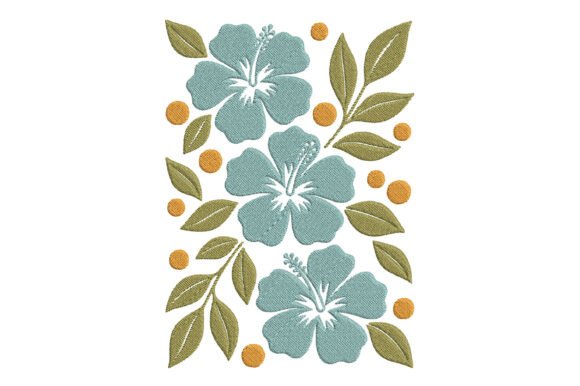
Embroidery Hibiscus Flowers Design Review
As a professional embroidery designer specializing in commercial merchandise and brand identity, I approach every new machine embroidery design with a critical eye for production viability. When evaluating the Embroidery Hibiscus Flowers Design for small business applications, my primary focus shifts beyond mere aesthetics to practical performance on branded goods. This review analyzes how this specific floral motif translates from a digital screen to a tangible asset for cafes, boutiques, florists, and creative studios seeking to elevate their merchandise.
Visual Personality and Professional First Impressions
The first impression of the Embroidery Hibiscus Flowers Design is one of tropical elegance balanced with organic softness. Unlike rigid, geometric corporate logos, this design communicates warmth, hospitality, and artisanal care. For a small business owner, this visual personality is crucial. It suggests a brand that is approachable yet polished. The description highlights beautiful hibiscus blooms paired with soft green leaves and decorative accents, which immediately signals a versatile aesthetic suitable for both modern and rustic branding.
In the context of brand identity, this design avoids looking overly generic. While it falls under the Single Flowers category, the inclusion of decorative accents adds a layer of complexity that prevents it from appearing flat or clip-art-like. For an Etsy seller or handmade product creator, this distinction matters. Customers associate intricate, well-digitized florals with higher value and craftsmanship. The design feels premium rather than playful, making it appropriate for businesses that want to maintain professionalism while showcasing a friendly, welcoming atmosphere.
Performance Across Commercial Merchandise Applications
When integrating the Embroidery Hibiscus Flowers Design into a commercial embroidery workflow, versatility is key. Based on the composition of blooms and foliage, this design performs exceptionally well across various small business merch categories.
- Apron Embroidery: For bakeries, florists, and coffee shops, this design serves as an excellent chest logo or pocket accent. The organic shapes complement the functional nature of aprons without competing with text-based business names.
- Tote Bag Design: Canvas totes are a staple for boutique retail. The hibiscus motif provides a large, attractive focal point that encourages customers to reuse the bag, effectively turning them into walking billboards.
- Cap Embroidery: Headwear requires careful digitizing due to curvature. This design’s balance of blooms and leaves allows for resizing to fit cap fronts without losing definition, provided the hoop size is managed correctly.
- Custom Apparel: On staff uniforms or customer t-shirts, the design acts as a soft branding element. It breaks up the monotony of standard text logos and adds a touch of local or tropical flair relevant to the business niche.
For businesses creating embroidered patch inventory, this floral arrangement offers high perceived value. Patches featuring detailed botanical elements often sell better as standalone accessories compared to simple text patches. The Embroidery Hibiscus Flowers Design has the potential to become a signature collectible item for a brand, enhancing customer engagement through limited-edition merchandise drops.
Technical Considerations for Production Success
While the aesthetic appeal is evident, successful implementation of the Embroidery Hibiscus Flowers Design requires attention to technical constraints. As an experienced digitizer, I advise caution in specific areas to ensure the finished product meets professional standards.
Stitch Density and Fabric Texture
Floral designs with "soft green leaves" and "decorative accents" often involve varying stitch types. You must verify the stitch density before running bulk production. If the design is too dense, it can cause puckering on lightweight fabrics like performance tees or thin tote bags. Conversely, if it is too sparse, the design may look cheap on textured surfaces like canvas or denim. Always test the embroidery file on the exact fabric you intend to use. A design that looks perfect on screen may require density adjustments when applied to real-world materials.
Sizing and Detail Retention
One of the most common pitfalls in commercial embroidery is shrinking a complex design too small. While the Embroidery Hibiscus Flowers Design is versatile, reducing it to a tiny sleeve cuff or hat logo size may result in lost detail. Decorative accents and leaf veins can turn into thread blobs if scaled below the recommended minimum. Before committing to small patch sizes, run a scale test. Ensure that the separation between the hibiscus blooms and the leaves remains distinct at your target dimensions.
Thread Colors and Contrast
The description mentions specific colors, but your brand palette may differ. When adapting thread colors, prioritize contrast over exact color matching. A dark green leaf on a black uniform will disappear unless outlined or lightened. Test your colorway in black and white first to ensure the design reads clearly without relying solely on hue differences. This step is vital for maintaining visibility on dark uniforms or colored tote bags.
Strategic Branding and Business Value
Investing in high-quality design assets like the Embroidery Hibiscus Flowers Design directly impacts customer trust and product value. In the handmade and small business sector, visual consistency signals reliability. When your apron embroidery, packaging accents, and staff wear all feature cohesive, well-executed floral motifs, it reinforces a unified brand story.
Furthermore, this design enhances the unboxing experience. Adding a small embroidered tag or a branded cloth bag featuring the hibiscus design transforms a standard purchase into a memorable interaction. For digital creators selling printable mockups or physical goods, using this design demonstrates an understanding of current trends in botanical aesthetics, potentially increasing buyer engagement and conversion rates.
Essential Pre-Production Checklist for Business Owners
To maximize the ROI of this digital embroidery file, follow this professional testing protocol before full-scale production:
- Verify Licensing: Confirm that the Embroidery Hibiscus Flowers Design includes commercial licensing for merchandise sales. Never assume personal use rights extend to business products.
- Check File Specifications: Review the included documentation for recommended hoop size, stitch count, and format compatibility with your machine.
- Stabilizer Selection: Match your stabilizer to the fabric weight. Use cut-away for stretchy knits and tear-away for stable woven fabrics to prevent distortion of the floral shapes.
- Create Client Mockups: If you are a decorator working for a client, generate a printable mockup or sew-out photo for approval. Visualizing the design on the actual garment helps manage expectations regarding size and placement.
- Wash Test: For items requiring frequent laundering, such as staff uniforms or cafe aprons, wash the test sample three times. Inspect for thread shrinkage, color bleeding, or stabilizer residue.
- Compare Assets: Place this design beside your existing logo and typography. Ensure the style weight matches your current brand identity to avoid visual discordance.
The Embroidery Hibiscus Flowers Design represents a strong opportunity for small businesses to add tropical sophistication to their merchandise lineup. By treating this design as a production asset rather than just a decoration, and by adhering to rigorous testing standards, shop owners and embroiderers can create branded products that are as durable as they are beautiful. Whether used for a florist’s apron or a boutique’s signature tote, this design has the technical and aesthetic foundation to support serious commercial embroidery projects.