Cute Crab Embroidery Design: A Maker’s Review
When evaluating a new machine embroidery design for my studio, I look past the digital preview and imagine how it will actually behave under the needle. The Cute Carb Embroidery Design immediately caught my attention not just because of its adorable aesthetic, but because of its potential versatility in the Animals category. As someone who regularly produces custom apparel and personalized gifts for clients, I need designs that stitch out cleanly, hold up to washing, and translate well across different fabrics. This review breaks down my practical assessment of this design for fellow makers, Etsy sellers, and small business owners considering it for their next embroidery project.
First Impressions and Visual Personality
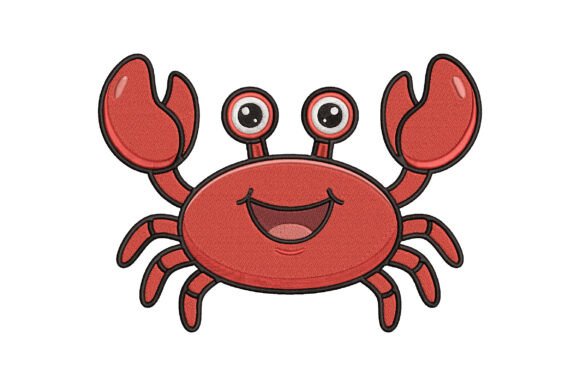
My initial reaction to the Cute Carb Embroidery Design was positive. The smiling crab with raised claws and big expressive eyes strikes a perfect balance between playful and polished. In the world of Embroidery, character designs can sometimes look too juvenile or overly complex, but this file feels intentionally crafted for broad appeal. The layout is centered and balanced, which is crucial when you are hooping garments where centering matters, like baby onesies or tote bags.
The mood is undeniably cheerful, making it an instant contender for summer collections, beach-themed merchandise, or nursery decor. However, as a designer, I appreciate that the expression isn't manic; it’s sweet and approachable. This visual personality suggests it would perform exceptionally well as a handmade product for children’s birthday parties or as a quirky accent on adult beachwear. It avoids the trap of looking like generic clip art, instead offering a distinct charm that could become a signature motif for a boutique brand.
Real-World Application: Stitching a Custom Tote Bag
To truly judge this digital embroidery file, I mentally walked through a recent client request: a set of canvas tote bags for a beach wedding welcome party. Canvas is a textured, unforgiving fabric that demands a design with adequate coverage and structural integrity. The Cute Carb Embroidery Design seems ideally suited for this scenario.
For a tote bag design, the raised claws provide excellent vertical interest without requiring excessive width, keeping the design within standard hoop limits. If the design utilizes a combination of satin stitch for outlines and fill stitch for the body, it should sit beautifully on the canvas weave. I particularly like the idea of using this for wedding guests because it bridges the gap between "cute" and "keepsake." Unlike trendy slang or dated graphics, a well-executed crab remains timeless. For an Etsy seller or small shop product line, this specific application demonstrates high perceived value. Customers aren't just buying a bag; they are buying a cohesive theme that photographs beautifully in listing images and printable mockups.
Fabric Compatibility and Technical Considerations
While the design is charming, successful commercial embroidery relies on matching the art to the substrate. Here is how I envision the Cute Carb Embroidery Design performing across various materials:
- Baby Clothes and Onesies: This is a primary use case. However, baby knits are stretchy and delicate. You must verify the stitch density. If the fill areas are too dense, they will create a bulletproof patch effect that is uncomfortable against skin. Always use a soft cut-away stabilizer and consider testing on a scrap piece of similar jersey knit first.
- Sweatshirts and Hoodies: Fleece and french terry are forgiving, making them excellent for sweatshirt embroidery. The texture of the fabric helps hide minor registration shifts. Just ensure your thread colors have enough contrast against heathered fabrics so the expressive eyes don't get lost.
- Caps and Hats: Proceed with caution. Curved surfaces distort designs. Unless this file is specifically digitized for caps (with a bottom-up stitch sequence and reduced complexity), it may be better suited for flat brims or bucket hats rather than structured baseball caps.
- Tea Towels and Linens: Woven cottons are the safest bet. If the design includes any applique elements, this is where they will shine crispest. For plain weave towels, check if the design has an underlay appropriate for preventing fabric push-and-pull.
Navigating Hoop Sizes and Detail Limits
One critical note for makers: always confirm the available hoop size variations before purchasing. A design that looks great at 5x7 might lose essential facial details when resized to 4x4. With the Cute Carb Embroidery Design, pay special attention to the eyes and mouth. If you plan to resize down significantly for a pocket logo or sleeve accent, those expressive features are the first to suffer from stitch crowding. In my experience, maintaining the integrity of facial expressions is non-negotiable for customer satisfaction. If the smallest version loses clarity, reserve it for larger formats like pillow covers or aprons.
Impact on Product Value and Brand Consistency
Why does this specific design matter to your business? Because consistency builds trust. When you offer a personalized gift or a line of custom apparel, the quality of your digitizing reflects directly on your brand. A poorly optimized file leads to thread breaks, puckering, and unhappy customers.
The Cute Carb Embroidery Design appears to be a strong asset for building a cohesive ocean or summer collection. It pairs naturally with nautical anchors, waves, or simple typography. For craft business owners, having a reliable character design allows for efficient batching. You can prep multiple embroidered patch blanks or pre-stitch inventory items knowing the design won't fail mid-run. Furthermore, for those selling design assets or finished goods online, clear, bright stitching of this crab translates to higher click-through rates. Buyers engage with products that look professionally made, and clean stitch-outs signal professionalism.
Essential Pre-Stitch Checklist for Makers
Before you load this embroidery file into your machine for a paid order, run through this practical checklist to ensure success:
- Verify Licensing: Confirm whether your purchase includes commercial rights for selling finished products or if it is for personal use only. This is vital for Etsy sellers and boutique owners.
- Test Stitch Out: Never skip this step. Use a scrap of the exact fabric you intend to use for the final finished product. Check for gaps between outlines and fills.
- Check Thread Contrast: View the design in black and white on your screen to ensure the values read correctly. Sometimes two different colored threads look identical in low light or on camera.
- Stabilizer Selection: Match the stabilizer to the fabric weight, not just the design size. Stretchy fabrics need cut-away; wovens often do fine with tear-away.
- Mockup Validation: Create a printable mockup or digital overlay to show clients placement before stitching. This prevents disputes over size and positioning.
- Wash Test: If this is for baby embroidery or kitchen linens, wash and dry your test swatch. Ensure the stitches don't shrink or pucker more than the fabric.
Final Thoughts for Creative Entrepreneurs
The Cute Carb Embroidery Design offers a delightful blend of whimsy and utility that is hard to find in the saturated market of animal designs. Whether you are creating a holiday embroidery gift for a niece, stocking your shop with summer small shop product items, or fulfilling a bulk order for a corporate retreat, this design holds promise. Its success, however, lies in your execution. By respecting the technical requirements of stitch density, fabric choice, and proper stabilization, you transform a digital file into a tangible, sellable asset. Remember, in our industry, the difference between a hobbyist and a professional is often just a few test stitches and a keen eye for detail. Happy stitching!