Cute Ant Embroidery: A Designer’s Sweatshirt Review
As an embroidery designer preparing for a seasonal drop, I am constantly evaluating which digital assets will translate best from screen to fabric. When sourcing a new machine embroidery design for a boutique brand, the criteria go far beyond simple aesthetics. We must consider stitch integrity, commercial viability, and how the artwork interacts with heavy garments. After reviewing the Cute Ant Embroidery file, I see significant potential for small shop owners and apparel decorators looking to add a playful yet professional element to their collections. This review breaks down my technical assessment and creative application strategies for this specific design.
First Impressions and Design Personality
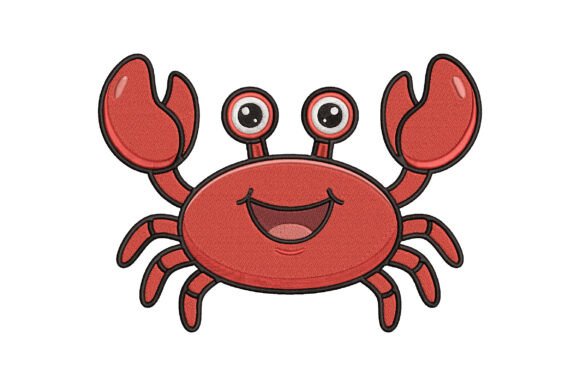
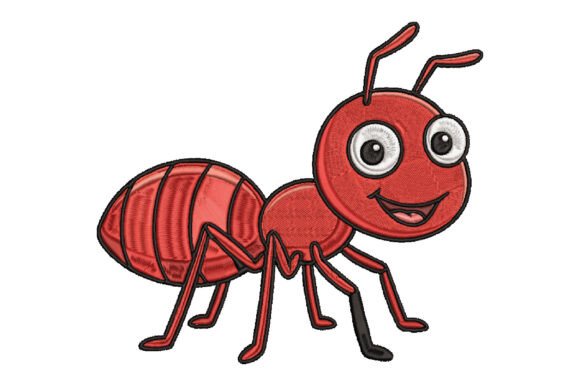
The immediate appeal of Cute Ant Embroidery lies in its character-driven aesthetic. Featuring an adorable red ant with big expressive eyes and a cheerful smile, the design leans heavily into cartoon-style details that resonate with current trends in kawaii and cottagecore fashion. For an Etsy seller or handmade business owner, this level of personality is crucial. It transforms a generic garment into a storytelling piece. However, as a professional, my first concern is always readability. Cartoon styles can sometimes become muddy when digitized poorly, but this design appears to prioritize clean outlines and distinct color blocks.
The mood is undeniably playful, yet the execution suggests it can be elevated to a premium status depending on placement. Unlike complex scenic embroidery that demands a large hoop size, this focused character art allows for versatility. It feels less like a novelty patch and more like intentional branding for a cozy, lifestyle-oriented label. The red thread color provides a natural focal point, but its success relies entirely on contrast against the base fabric.
Strategic Placement on Premium Sweatshirts
When integrating Cute Ant Embroidery into a sweatshirt collection, placement dictates perceived value. For oversized hoodies and crewnecks, I recommend avoiding dead-center chest placement, which can sometimes look juvenile. Instead, consider these high-value positioning strategies:
- Left Chest Pocket Area: This is the gold standard for boutique brands. Placing the ant here creates a subtle, high-end feel while keeping the playful charm visible without overwhelming the wearer.
- Sleeve Cuff Accents: For a unique twist, position the design just above the wrist cuff. This is highly visible in lifestyle photography and adds a surprise detail that customers adore in custom apparel.
- Back Yoke Placement: Centered between the shoulder blades, the ant acts as a secondary logo. This works exceptionally well for seasonal drops where the front might feature text or minimal typography.
- Hood Edge Detail: For hoodie designs, placing the ant near the front edge of the hood offers a whimsical touch that is only visible when the hood is down, adding depth to the product presentation.
Each of these placements respects the scale of the animal motif while treating it as a deliberate design asset rather than an afterthought.
Technical Considerations for Heavyweight Fabrics
Sweatshirt embroidery presents unique challenges compared to lighter woven fabrics. The fleece backing and knit structure require specific attention to ensure the Cute Ant Embroidery design remains crisp after washing. Before running a production batch, you must evaluate the stitch density relative to your chosen blank. Heavy French terry or 400gsm fleece can swallow fine details. If the digitization is too light, the red ant may sink into the fabric texture, losing those expressive eyes and cartoon definition.
Stabilizer choice is non-negotiable here. For commercial embroidery on sweatshirts, I always pair a medium-weight cutaway stabilizer with a water-soluble topping. The topping prevents the stitches from sinking into the fleece pile, ensuring the smile and eyes remain sharp and legible. Without this step, even the best embroidery file will look amateurish on textured knits. Furthermore, verify the hoop size requirements before purchasing. While this design likely fits standard hoops, knowing the exact dimensions helps prevent distortion during the hooping process, which is critical for maintaining symmetry in character designs.
Color Contrast and Thread Selection
The description highlights a red ant, which is a bold choice. On neutral sweatshirts like cream, oatmeal, charcoal, or navy, this red will pop beautifully, creating instant visual recognition. However, if you are producing on bright red or maroon blanks, you risk losing the design entirely. In such cases, check if the digital embroidery file includes alternative color charts or if your software allows for easy recoloring. Sometimes shifting the ant to white, black, or metallic gold can better suit specific fabric colors while maintaining the playful vibe.
Thread quality also impacts the final handmade product. Using a high-sheen rayon or polyester thread will enhance the cartoon style, making the eyes and smile appear glossy and vibrant. Matte threads might make the design look flatter and more rustic, which could work for a vintage aesthetic but might clash with the intended cheerful mood. Always test thread colors against the actual fabric swatch under natural lighting before committing to a full run.
Commercial Viability and Brand Identity
For small clothing brands and creative entrepreneurs, every design must justify its existence through sales potential. Cute Ant Embroidery succeeds because it bridges the gap between niche interest and broad appeal. Animals are a perennial bestseller in the embroidery category, but this specific stylized approach targets a younger, trend-conscious demographic. It signals that the brand is current and fun, which builds buyer trust and engagement.
From a marketing perspective, this design is highly photogenic. When creating printable mockups or listing photos for Etsy, the expressive face of the ant draws the eye immediately. It serves as an excellent hook for social media content, particularly close-up shots showing stitch texture. This visual engagement translates directly to higher click-through rates. Moreover, because the design is distinct, it helps establish visual recognition for your shop. Customers begin to associate that specific cheerful ant with your brand's quality and aesthetic, encouraging repeat purchases.
Production Checklist for Boutique Owners
Before launching your sweatshirt drop featuring Cute Ant Embroidery, run through this essential verification list to ensure professional results:
- Verify File Compatibility: Ensure the embroidery file format matches your machine’s requirements (DST, PES, JEF, etc.) before production.
- Check Stitch Count: Confirm the total stitch count aligns with your pricing model and production time estimates. High-density fills take longer but offer better coverage on fleece.
- Test Wash Durability: Run a sample on your exact sweatshirt blank, wash it three times, and inspect for puckering or thread loss. Commercial apparel must withstand regular laundering.
- Review Licensing: Double-check that the license permits commercial use on finished products for sale, especially if you plan to scale beyond small batches.
- Assess Small-Size Readability: If resizing down for sleeve accents, ensure the smallest text or facial features do not merge. Some details may need removal at reduced scales.
Elevating the Finished Product
Ultimately, Cute Ant Embroidery offers a fantastic opportunity for apparel decorators to inject personality into their inventory. It is more than just a cute graphic; it is a versatile component that, when executed with proper stabilizer and placement, elevates a basic sweatshirt into a desirable boutique item. The combination of expressive cartoon details and strategic application on cozy seasonal apparel creates a product that feels both handmade and professionally curated.
By treating this machine embroidery design with the same technical rigor as complex logos, you ensure that the final output reflects the quality your customers expect. Whether you are an established Etsy seller or launching a new handmade product line, this ant design provides the perfect balance of whimsy and wearability. Remember to always validate your specific machine settings and fabric interactions, as these variables define the difference between a craft project and a premium retail offering. With careful preparation, this design can become a signature element of your next successful collection.