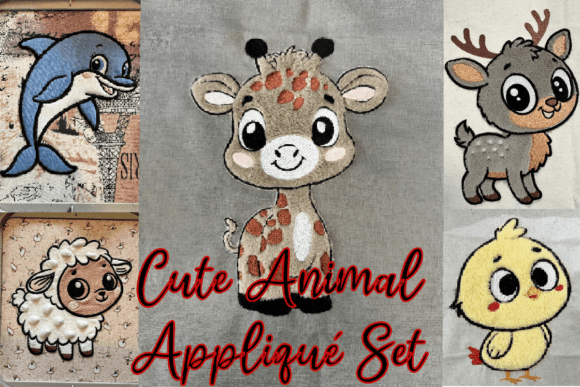
Animal Appliqué Embroidery Designs: A Business Review
As a professional embroidery designer specializing in commercial merchandise, I approach every new machine embroidery design with a critical eye toward production viability and brand impact. When evaluating the Animal Appliqué Embroidery Designs bundle for small business use, my primary focus is not just on aesthetic appeal, but on how these files perform under the needle and in the marketplace. For shop owners, Etsy sellers, and apparel decorators, this collection offers significant potential for creating engaging small business merch, provided it is applied with strategic intent.
First Impressions: Visual Personality and Professionalism
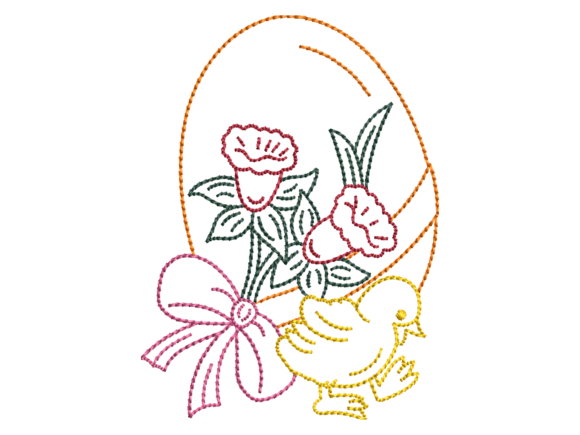
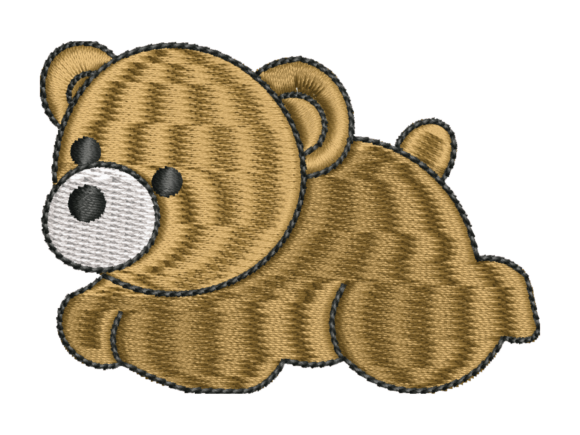
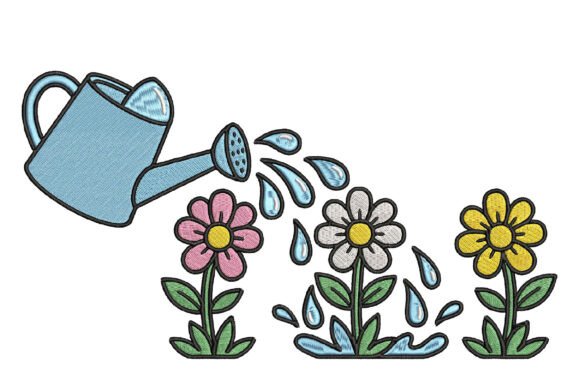
Upon reviewing the Animal Appliqué Embroidery Designs, the immediate impression is one of approachable professionalism balanced with creative warmth. The description highlights "fun and creative" patterns, which translates visually into a style that feels handmade yet polished. For businesses like boutique bakeries, pet grooming salons, florists, or children’s clothing brands, this aesthetic is invaluable. It avoids the sterile look of generic corporate clip art while maintaining enough structural integrity to appear high-end.
The appliqué technique itself is a major asset for commercial branding. Unlike dense fill stitches that can make garments stiff and heavy, appliqué reduces stitch density significantly. This results in a softer hand-feel on custom apparel and tote bags, which customers associate with higher quality. The visual texture created by the fabric overlay adds a tactile dimension that standard embroidery cannot achieve, making the finished product stand out in retail environments and online listings.
Real-World Applications for Small Business Merchandise
In a real-world scenario, imagine a local café wanting to launch a line of branded merchandise. These designs are exceptionally well-suited for tote bag design and apron embroidery. The larger surface area of a canvas tote allows the animal motifs to serve as a central focal point without overwhelming the item. For staff uniforms, these designs work beautifully as chest accents or sleeve details, adding a touch of personality to workwear without compromising professional recognition.
For makers selling on Etsy or at craft markets, this bundle serves as versatile design assets. An embroidered patch featuring these animal appliqués can transform plain denim jackets, backpacks, or beanies into premium products. Because appliqué covers large areas quickly, production time is reduced compared to full-stitch designs, improving profit margins on commercial embroidery projects. Additionally, these designs translate excellently into digital content; a printable mockup using these files can validate customer interest before a single stitch is sewn, reducing inventory risk.
Strategic Placement and Brand Identity
Integrating Animal Appliqué Embroidery Designs into your product line directly influences brand identity. Consistent use of these specific animal motifs across packaging, tags, and apparel creates visual cohesion. Customers begin to associate the specific artistic style of these animals with your business, fostering trust and recognition. For a pet brand, for example, using these designs on bandanas or leash accessories reinforces the niche expertise of the company through relevant imagery.
However, placement requires careful consideration. While these designs are versatile, they must be scaled appropriately. A design that looks stunning on a tote bag may lose critical detail when shrunk for a cap front or a shirt cuff. As a designer, I recommend establishing a minimum size threshold for each file in the bundle to ensure the appliqué fabric does not fray and the satin stitch borders remain secure. Always verify the intended hoop size and scaling limits within the embroidery file metadata before committing to production.
Technical Considerations and Production Warnings
While the Animal Appliqué Embroidery Designs are user-friendly, technical diligence is required for consistent results. Appliqué relies heavily on the interaction between the base fabric, the appliqué material, and the stabilizer. When working with textured fabrics like linen or terry cloth, you must use an appropriate topping to prevent the fabric grain from obscuring the design lines. On dark uniforms, thread color contrast is paramount; the tack-down stitches must be visible enough to guide accurate fabric placement during the multi-step process.
Cap embroidery presents unique challenges due to the curved surface and limited sewing field. If adapting these animal designs for headwear, ensure the digitizing accounts for the distortion inherent in cylindrical framing. High stitch density around the appliqué edges can cause puckering on caps, so testing on a scrap cap panel is non-negotiable. Similarly, for items requiring frequent industrial washing, such as restaurant aprons or medical scrubs, verify that the border stitching is dense enough to withstand abrasion. You may need to add additional lock stitches or adjust the border width to ensure longevity.
Designer Notes for Successful Implementation
To maximize the return on investment for this bundle, follow these practical guidelines derived from professional production experience:
- Test in Monochrome First: Before running full-color samples, stitch the design in black and white. This reveals any registration issues or gaps in the tack-down stitches that color changes might hide.
- Fabric Compatibility Testing: Never assume a design will work on all substrates. Test the Animal Appliqué Embroidery Designs on the exact fabric you intend to sell. Stretchy knits require different stabilization strategies than woven cottons.
- Verify Commercial Licensing: Before listing any merchandise for sale, confirm the license terms included with the bundle. Ensure you have the right to sell finished products and understand any restrictions on digital file sharing or modification.
- Create Client Approval Mockups: Use software to generate realistic previews for clients. This manages expectations regarding size, color, and placement, reducing revision cycles and wasted materials.
- Audit Thread Colors: Review the recommended thread colors against your existing inventory. Standardize the palette to match your brand guidelines rather than relying solely on the designer’s original color chart.
- Check Small Size Legibility: If resizing for patches or labels, inspect the digital file to ensure internal details do not merge. Simplify complex elements if necessary to maintain clarity at reduced scales.
Elevating Handmade Products Through Strategic Design
Ultimately, the value of the Animal Appliqué Embroidery Designs lies in their ability to bridge the gap between playful creativity and commercial viability. For the handmade product seller, these designs offer a shortcut to professional-grade aesthetics without sacrificing the unique charm that customers seek. By treating these files as foundational business assets rather than mere decorations, you can build a cohesive merchandise line that resonates with your target audience.
Success with this bundle depends on respecting the technical requirements of machine embroidery while leveraging the artistic strengths of the appliqué format. Whether you are producing staff uniforms for a creative studio, branded gifts for a corporate event, or retail apparel for an online store, these designs provide a robust platform for growth. Remember to always prioritize testing, verify licensing, and maintain strict quality control. When executed correctly, these animal-themed patterns can become signature elements of your brand, driving customer engagement and distinguishing your business in a crowded marketplace.