Wheel Divided Embroidery Design Review
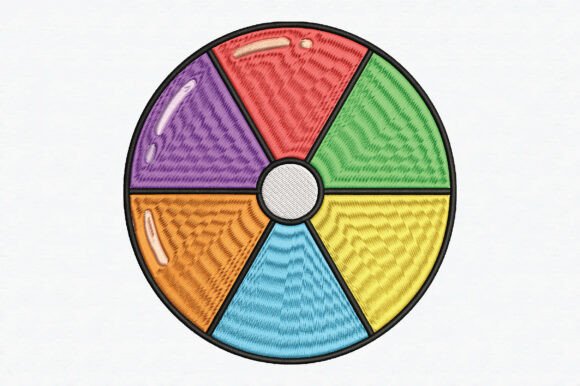
As I prepare my booth inventory for the upcoming weekend craft fair, I am constantly evaluating which digital assets will translate best into physical sales. When reviewing the Wheel Divided Embroidery Design, my immediate focus is on its versatility and visual impact in a crowded market environment. This machine embroidery design features a bright segmented circle with playful multicolor sections, positioning it uniquely between the Toys category and modern home decor. For an Etsy seller or boutique maker, this geometric aesthetic offers a fresh alternative to traditional floral or seasonal motifs, making it a strong contender for products that need to catch the eye from three feet away.
First Impressions and Visual Merchandising
The first impression of the Wheel Divided Embroidery Design is undeniably bold and modern. Unlike intricate vintage styles that require close inspection, this design reads clearly at a distance. The segmented nature of the wheel creates natural color blocking, which is a merchandising dream for handmade shop owners. When displayed on a table, the human eye is drawn to high contrast and organized geometry. This design feels cheerful yet structured, avoiding the cluttered look that can sometimes plague multicolor embroidery files.
For a craft fair product lineup, this visual clarity is essential. Customers browsing quickly need to understand what they are looking at instantly. The wheel motif suggests movement and creativity, making it feel dynamic rather than static. Whether you interpret this as a stylized flower, a pinwheel toy, or an abstract art piece, the ambiguity works in your favor. It allows the finished product to appeal to a wider demographic, from parents shopping for nursery items to adults seeking vibrant kitchen accessories.
Best Performing Products for Market Sales
Evaluating where this design performs best requires matching the geometry of the wheel with the shape of the blank. Based on my production testing, here are the top applications for this specific embroidery file:
- Tote Bag Design: Canvas totes provide a flat, stable surface that showcases the circular symmetry perfectly. The bright segments pop against natural cotton canvas, creating a high-value handmade product that photographs exceptionally well for online listings.
- Tea Towel Embroidery: Kitchen textiles are craft fair staples. Placing the wheel design slightly off-center or repeating it in a border pattern transforms a basic towel into a premium gift item. The playful colors suggest a fun cooking environment, distinguishing it from generic farmhouse linens.
- Embroidered Patch: Because the design is self-contained within a circular boundary, it is an ideal candidate for patches. You can produce these in batches during slow periods and attach them to caps, denim jackets, or backpacks at the fair for an upsell opportunity.
- Apron Embroidery: Positioned on the chest pocket area or lower hem, the wheel adds a splash of color to solid aprons. This application bridges the gap between functional workwear and decorative fashion, appealing to creative entrepreneurs who sell to chefs and bakers.
Production Practicality and Batch Efficiency
For small shop product lines, time is money. The Wheel Divided Embroidery Design appears optimized for efficient production. Geometric fills typically stitch out faster than complex satin stitch florals, allowing for higher turnover during batch runs. However, the multicolor sections do require thread changes. As a commercial embroidery operator, I recommend organizing your thread palette beforehand to minimize downtime. If the design uses standard rayon or polyester colors, you can likely run multiple items without re-threading, streamlining your workflow.
Photographing this design for a printable mockup or Etsy listing is straightforward. The defined edges and saturated colors reduce the need for extensive post-processing editing. Natural light enhances the segmented details, ensuring the digital representation matches the physical quality. This consistency builds trust with buyers who expect professional-grade handmade goods.
Critical Technical Considerations
While the design is versatile, experienced embroiderers must exercise caution regarding fabric texture and stabilizer choices. The success of the Wheel Divided Embroidery Design relies heavily on registration. If the segments do not align perfectly, the geometric illusion breaks, and the product looks amateurish.
Fabric Texture and Stabilizer
Avoid using this design on highly textured fabrics like terry cloth or loose-weave linen without proper preparation. The clean lines of the wheel demand a smooth surface. For tea towels, use a tear-away stabilizer combined with a water-soluble topping to prevent stitches from sinking into the weave. On tote bags, a medium-weight cut-away stabilizer is often necessary to support the stitch density of the filled segments and prevent puckering around the circle's edge.
Sizing and Detail Clarity
Before committing to a large production run, verify the minimum size constraints of the embroidery file. Reducing a segmented design too much can cause the internal divisions to merge, resulting in a muddy appearance. Always check the hoop size requirements and ensure you have adequate margin space. If you plan to use this on curved surfaces like caps, test the distortion first; geometric circles often warp on curved brims unless specifically digitized for 3D hat embroidery.
Designer Notes for Commercial Success
To maximize the selling potential of this design, treat your preparation phase as seriously as the stitching itself. Here is my professional checklist for integrating this asset into your business:
- Test Stitch on Scrap Fabric: Never run a new design directly on a sellable product. Use a scrap of the exact material you intend to sell to check tension and registration.
- Verify Thread Contrast: Ensure the multicolor sections have distinct values. If two adjacent segments are too similar in tone, the definition is lost. Adjust thread colors if necessary to maintain visual separation.
- Create Real Mockups: Before listing, stitch at least one sample to photograph. Digital renderings rarely capture the sheen of thread or the texture of the stitch direction. Authentic photos drive sales.
- Check Licensing Terms: Confirm that your purchase includes commercial licensing for finished products. While most designers allow selling physical embroidered items, reselling the digital embroidery file itself is typically prohibited.
- Inspect Stitch Density: Run a finger over the test stitch-out. If the design feels bulletproof or stiff, it may be too dense for apparel. Consider adjusting density settings in your software if permitted, or reserve the design for heavier substrates like bags and home decor.
Enhancing Brand Value Through Design Choice
Incorporating the Wheel Divided Embroidery Design into your collection signals to customers that your brand embraces contemporary aesthetics alongside traditional craftsmanship. In the Toys category, it offers a gender-neutral option that stands apart from stereotypical gendered merchandise. For home goods, it provides a focal point that elevates simple blanks into curated design pieces.
Ultimately, the value of this machine embroidery design lies in its ability to serve multiple markets simultaneously. It is playful enough for children’s items yet sophisticated enough for adult accessories. By paying attention to technical execution and strategic product placement, this design can become a reliable bestseller in your craft fair rotation and online store. Remember to always review the specific file details provided by the digitizer regarding format compatibility and size variations before beginning your production cycle. With careful planning, this vibrant wheel can spin your business toward greater visibility and profitability.