Sweet Donut Embroidery Design Review
First Impressions for Craft Fair Prep
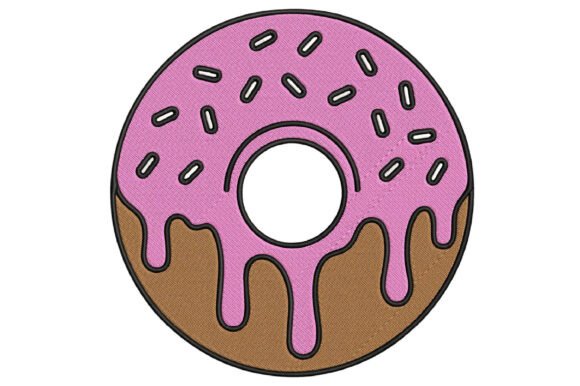
As I prepare my booth inventory for the upcoming weekend market, evaluating every machine embroidery design is critical to ensuring a profitable event. When I first loaded the Sweet Donut Embroidery Design into my software, my immediate reaction was that this digitizing captures a specific, high-demand aesthetic: playful nostalgia with a modern twist. The description highlights a classic donut topped with dripping icing, and visually, this translates to a bold, graphic silhouette that reads exceptionally well from a distance. In a crowded craft fair environment where customers are scanning tables quickly, this design does not get lost in visual noise. It feels undeniably cute without being juvenile, striking that difficult balance required for selling to both teenagers and adults who appreciate whimsical dessert themed decor.
From a production standpoint, the "dripping" element mentioned in the product details suggests dynamic movement in the stitch path. This is excellent for catching the eye because it breaks up static symmetry. However, as an experienced designer, I immediately checked the underlay and pull compensation settings. Drip effects can sometimes cause puckering on lighter fabrics if the tension isn't balanced correctly. Fortunately, this Sweet Donut Embroidery Design appears to have clean transitions between the base dough color and the topping layers, which is essential for maintaining a professional handmade product quality. It avoids the overly dense fill patterns that make some food designs feel like bulletproof vests, keeping the final embroidered item soft and pliable.
Best Selling Applications for Market Day
Determining where to place this design is just as important as the stitching itself. Based on current market trends and my past sales data, the Sweet Donut Embroidery Design performs best when treated as a focal point rather than a subtle accent. Here is how I am prioritizing products for my table display:
- Tote Bag Design: Canvas totes are my number one seller at summer markets. This design centers perfectly on a 15x16 inch bag. The contrast of pastel donut threads against natural or black canvas creates an instant impulse buy. The size allows the dripping details to remain distinct even when the bag is slung over a shoulder.
- Apron Embroidery: For the baking and cooking niche, this is a winner. I am placing the design on the lower right hip area of denim aprons rather than the chest. This placement mimics commercial bakery uniforms and gives the apron embroidery a trendy, boutique feel that justifies a higher price point than generic kitchen wear.
- Tea Towel Embroidery: Flour sack towels are a staple, but texture matters. Because this design features smooth icing drips, I recommend using high-count cotton or linen tea towels. Avoid terry cloth for this specific file; the loops will swallow the fine details of the glaze. On smooth fabric, however, it photographs beautifully for social media marketing.
- Embroidered Patch: To maximize profit margins, I am running batches of these as standalone patches. Using heavy-weight stabilizer and merrowed edges, the Sweet Donut Embroidery Design converts easily into a sellable add-on item. Customers who cannot afford a full tote bag often purchase a patch for their jacket or backpack, keeping cash flow steady throughout the day.
Production Practicalities and Booth Strategy
Efficiency is key when prepping for a show. One major advantage of this digital embroidery file is its repeatability. The color changes are logical, allowing me to batch stitch multiple items without constantly re-threading the machine. For an Etsy seller or small shop owner, this means you can produce inventory faster during late-night prep sessions. The design also scales reasonably well, though I advise against shrinking it below 3 inches wide. Below that threshold, the separation between the dough and the dripping icing may merge, causing clarity issues.
Visually, this design strengthens booth displays by adding a pop of saturated color. In a sea of beige farmhouse neutrals, a vibrant sweet treat acts as a visual anchor. I plan to use this design on sample cards and printable mockup signage to draw people into the booth. Even if they come for the donut, they often stay to browse other items. Furthermore, because the motif is universally recognized, there is zero cognitive load for the buyer. They do not need to ask, "What is that?" They smile, recognize the comfort food imagery, and engage emotionally. That emotional connection is what transforms a browser into a buyer.
Critical Technical Notes for Makers
While the Sweet Donut Embroidery Design is user-friendly, successful commercial embroidery requires attention to technical variables. Before committing to a full production run, please consider these professional cautions:
- Fabric Texture Compatibility: As noted with tea towels, textured fabrics are risky. If you are embroidering on waffle weave or pique knit, use a water-soluble topping to prevent stitches from sinking. The smoothness of the icing relies entirely on surface visibility.
- Stitch Density Checks: Always review the density map in your editing software. If you are hooping thick denim for caps or jackets, you may need to reduce the density slightly to prevent needle breaks or excessive stiffness. Conversely, on sheer organza or lightweight cotton, ensure the underlay is sufficient to prevent distortion.
- Thread Color Selection: Do not rely solely on the digital preview. Thread sheen varies wildly between brands. A matte thread might make the donut look stale, while a rayon or polyester with high sheen enhances the "wet" look of the dripping glaze. Test your thread colors on scrap fabric first to ensure the contrast matches your vision.
- Hoop Size and Stabilizer: Verify the exact dimensions of the embroidery file before purchasing. Ensure your hoop accommodates the design with at least half an inch of clearance. For stretchy knits used in apparel, always use cut-away stabilizer to maintain registration between the outline and the fill stitches.
- Licensing Verification: Before listing any finished product, confirm the license terms included with the design assets. While many designers allow for physical product sales, some restrict mass production or require attribution. Protect your business by reading the fine print.
Maximizing Value in Handmade Products
Ultimately, the Sweet Donut Embroidery Design is more than just a cute graphic; it is a versatile asset for creative entrepreneurs. Its strength lies in its ability to elevate simple blanks into desirable gifts. Whether you are creating custom birthday party favors, teacher appreciation gifts, or bakery staff uniforms, this design delivers consistent results. For those selling online, remember that food-themed embroidery photographs exceptionally well in lifestyle settings. Stage your finished tote bags with actual baked goods or coffee mugs to create context. This contextual styling helps buyers visualize the item in their own lives.
For the small shop product lineup, consistency builds brand recognition. If this donut sells well, consider pairing it with matching cupcake or coffee cup designs from the same digitizer to create a cohesive collection. Collections encourage multi-item purchases, increasing average order value. Just remember to always test, tweak, and verify your materials. The difference between a hobbyist result and a premium retail product often comes down to stabilizer choice and thread tension. Treat this Sweet Donut Embroidery Design with professional care, and it will undoubtedly become a sweet spot in your sales strategy for seasons to come.