Reviewing Abstract Boho Style Embroidery for Gifts
As an embroidery designer who has stitched out thousands of designs for custom orders, I approach every new machine embroidery design with a critical eye. When planning inventory for a personalized gift shop or an Etsy listing, it is not enough for a digital file to look pretty on a screen; it must perform flawlessly on fabric. Recently, I tested the Abstract Boho Style Embroidery pattern to determine its viability for real-world customer orders. This review reflects my hands-on experience testing this design for potential use in baby products, wedding keepsakes, and home decor, focusing on what makers and small business owners need to know before stitching for profit.
First Impressions: Mood and Aesthetic Appeal
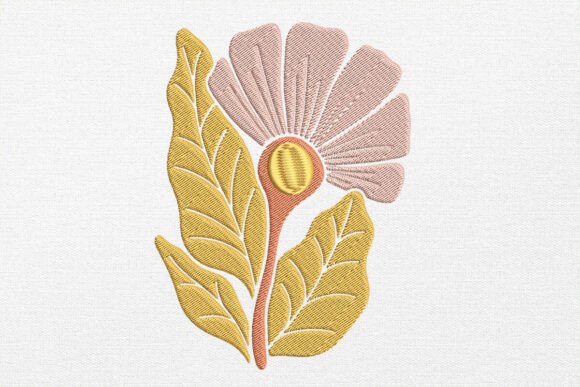
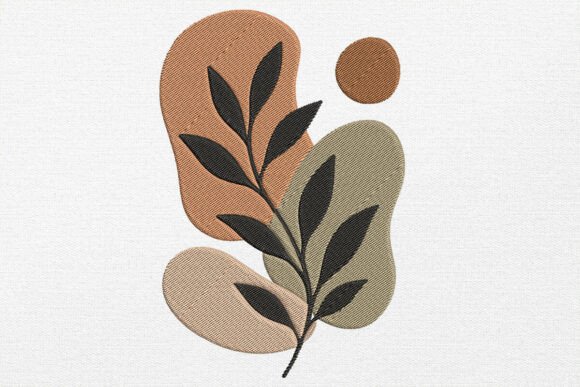
Upon loading the embroidery file into my software, the first thing that struck me was the balance between modern minimalism and organic warmth. The Abstract Boho Style Embroidery captures a specific mood that is currently dominating the handmade product market. It feels intentional rather than cluttered. The wildflowers are rendered with elegant simplicity, avoiding the dense, heavy fill stitches that can make boho designs feel stiff or outdated. Instead, the line art style allows the fabric texture to breathe through the design, which is essential for achieving that coveted artisanal look.
For sellers targeting the millennial and Gen Z demographic, this aesthetic is gold. It strikes a chord that is simultaneously romantic and contemporary. Unlike traditional floral patterns that can sometimes skew too vintage or country, this design maintains a clean profile that appeals to buyers looking for nursery decor or modern wedding gift options. The emotional appeal is soft and welcoming, making it an excellent candidate for items meant to convey care, such as baby blankets or family heirlooms.
Best Applications for Personalized Gift Products
During my testing phase, I evaluated where this design shines brightest as a finished product. Versatility is key for any small shop product, and Abstract Boho Style Embroidery proves to be highly adaptable across several categories.
- Nursery and Baby Items: The minimalist wildflower motif is perfect for baby embroidery. Because the design lacks sharp, aggressive edges or overly dense satin columns, it remains soft against sensitive skin. I envision this working beautifully on cotton muslin swaddles, bibs, and crib sheets. For blanket embroidery, the open spacing prevents the fabric from puckering, ensuring the blanket remains drapeable and cozy.
- Wedding and Bridal Gifts: While categorized under Wedding Flowers, this design transcends typical bridal clichés. It works exceptionally well for bachelorette tote bags, bride-to-be denim jackets, and personalized linen napkins. The abstract nature allows it to pair seamlessly with custom names or dates without competing for visual attention.
- Home Decor and Kitchenware: For custom embroidery on tea towels and aprons, the line art style offers a sophisticated touch. It elevates a basic kitchen textile into a boutique-worthy item. Similarly, as a pillow cover accent, the design provides just enough visual interest to anchor a room’s decor without overwhelming neutral color palettes.
- Etsy Listings and Digital Sales: For those selling the digital embroidery file itself, this design has high commercial potential. Its trend-aligned aesthetic makes for attractive printable mockups and social media content, which drives buyer engagement and trust.
Critical Considerations: Where to Stitch with Caution
No design is universal, and professional integrity requires acknowledging limitations. While Abstract Boho Style Embroidery is versatile, there are specific scenarios where I would advise caution or modification.
Textured and Thick Fabrics: Because this design relies on elegant lines and minimalist details, it can get lost on high-pile fabrics. I would avoid using this on thick terry cloth embroidered towels or plush fleece unless you plan to add a backing layer or increase the stitch width. The delicate lines may sink into the pile, reducing legibility and visual impact.
Stretchy Knits and Curved Surfaces: Line art requires precision. On stretchy baby onesies or curved hat surfaces, even minor registration shifts can make thin lines look wobbly or broken. If you intend to use this for baby embroidery on knit fabrics, you must use a high-quality cutaway stabilizer and potentially a water-soluble topping to keep the stitches crisp. Always test on a scrap of the exact garment material first.
Small Lettering Integration: Many customers request personalization. Be wary of adding tiny text directly adjacent to the abstract florals. The open, airy nature of the boho design contrasts sharply with dense block lettering. If adding names, opt for a flowing script that mimics the organic curves of the wildflowers, and ensure adequate spacing to prevent thread breaks or perforation issues.
Frequent Washing: For items like aprons or baby bibs that face rigorous laundering, verify the stitch density. Minimalist line art often uses running stitches or redwork styles. Ensure these are digitized with sufficient underlay and lock stitches to prevent unraveling over time. If the design feels too sparse for heavy-use items, consider adding a subtle background element or border to anchor the perimeter stitches.
Impact on Perceived Value and Customer Trust
In the world of commercial embroidery, perceived value dictates pricing. Abstract Boho Style Embroidery enhances the perceived value of a product because it looks bespoke rather than mass-produced. The "less is more" philosophy signals confidence and taste. When a customer receives a personalized gift featuring this design, they perceive it as a thoughtful, curated choice rather than a generic clip-art application.
This directly influences buyer engagement and trust. High-quality photos of this design stitched on natural linens or soft cottons communicate professionalism. The design’s inherent elegance does the heavy lifting in product photography, reducing the need for excessive styling. For Etsy sellers, this translates to higher click-through rates and better conversion, as the design aligns with current search trends for "boho nursery," "minimalist wedding," and "modern floral."
Practical Notes for Makers and Sellers
Before listing this design or accepting custom orders, run through this practical checklist to ensure success:
- Verify Specifications: Always check the included documentation for exact hoop size requirements, stitch counts, and format compatibility. Do not assume standard sizing.
- Test Stitch-Out: Never stitch directly onto a customer’s final product without a test run. Use scrap fabric of similar weight and weave to check tension and registration.
- Thread Color Contrast: Boho palettes often involve muted tones. Test your thread colors against both light and dark fabrics. A dusty rose that pops on cream might disappear on beige. Create physical color charts for your shop to manage customer expectations.
- Stabilizer Selection: Match your stabilizer to the end use. Use tear-away for stable woven linens, but switch to cutaway for knits, baby clothes, and items requiring durability.
- Licensing Check: Before selling finished goods or the file itself, confirm the commercial embroidery license terms provided by the original digitizer. Respecting intellectual property builds long-term business credibility.
- Mockup Accuracy: When creating listings, use realistic mockups that accurately represent the scale and placement of the design. Misleading scale is a primary cause of returns in the custom embroidery space.
Abstract Boho Style Embroidery represents a strong addition to any maker’s library. Its blend of modern aesthetics and emotional resonance makes it a reliable workhorse for personalized gifts. By understanding its strengths and respecting its technical boundaries, you can transform this digital file into tangible, cherished products that delight customers and grow your handmade business.