Minimal Shell Embroidery: A Designer's Practical Review
As an embroidery designer who spends more time at the machine than behind a computer screen, I approach every new machine embroidery design with a healthy dose of skepticism. We have all downloaded files that look perfect in software but turn into thread nests or distorted shapes once stitched out. When evaluating the Minimal Shell Embroidery file for potential inclusion in my commercial lineup, my primary concern was not just its aesthetic appeal, but its structural integrity across different substrates. This review reflects my hands-on assessment of this digital asset, specifically focusing on how it translates from a screen preview to a tangible, sellable handmade product.
First Impressions and Visual Weight
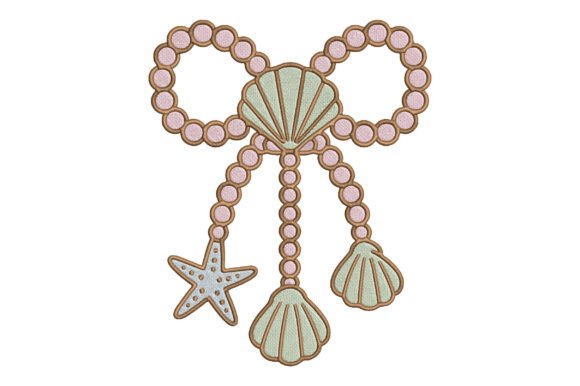
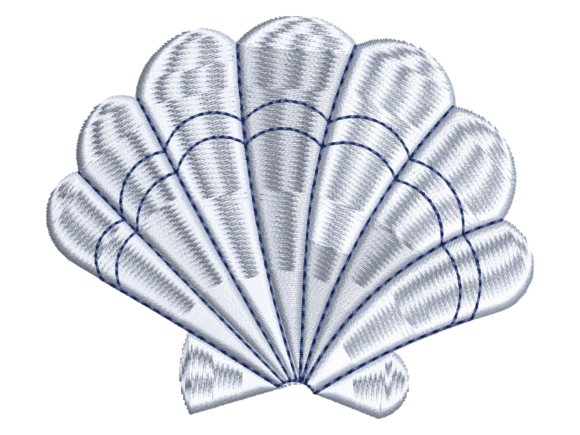
Upon opening the digital embroidery file, the first thing I noted was the intentional restraint in the artwork. In a category often saturated with overly complex nautical themes, this design breathes. The lines are clean, and the negative space is utilized effectively. For a craft business or Etsy seller, this minimalism is a strategic advantage. It suggests sophistication rather than novelty. The shape holds its own without relying on excessive color changes or dense fill areas, which immediately signals that this will be a faster stitch-out with less risk of fabric puckering. However, minimalism in embroidery is unforgiving; there is nowhere to hide poor digitizing. Every curve and intersection must be deliberate. My initial inspection of the node placement suggested a thoughtful approach to pathing, minimizing jumps and trims, which is crucial for production efficiency.
Real-World Application: The Linen Tote Test
To truly judge this design, I moved past the software simulation and set up a real-world scenario. I chose a medium-weight natural linen tote bag design project as my test case. Linen is a favorite for boutique merchandise, but its loose weave can be challenging for fine details. I wanted to see if the Minimal Shell Embroidery would maintain its crispness or get lost in the fabric texture.
I hooped the linen with a medium-weight cutaway stabilizer to prevent distortion. The stitching process was remarkably smooth. Because the design avoids massive blocks of fill stitch, the needle penetration did not overwhelm the fabric. The result was a shell motif that sat elegantly on the surface rather than sinking into the weave. For small shop product creators, this is vital. A design that distorts the drape of a tote bag or makes the fabric stiff is unsellable. This shell maintained the flexibility of the linen, making it suitable for high-end, organic-feeling goods. If you are planning holiday embroidery collections or summer market prep, this versatility allows you to use the same file across multiple inventory types without adjustment.
Navigating Fabric Variables and Hoop Constraints
While the linen test was successful, a professional reviewer must consider edge cases. Not every embroidery project uses stable woven fabrics. Here is where caution is required when using Minimal Shell Embroidery:
- Stretchy Knits and Sweatshirts: If you are applying this to sweatshirt embroidery or baby onesies, the lack of heavy density is a double-edged sword. It prevents bulletproof stiffness, but it also means the design relies entirely on your stabilization. You must use a fusible mesh or adhesive spray to keep the knit stable during stitching, or the shell may warp.
- Textured and Pile Fabrics: On terry cloth towels or fleece, the delicate lines of a minimal design can disappear. I recommend testing a water-soluble topping to ensure the stitches remain visible. Without it, the visual impact diminishes significantly.
- Small Hoop Sizes: Always verify your specific hoop size compatibility before purchasing. While minimal designs often scale well, reducing them too far can cause satin stitch columns to become too narrow for the needle, leading to fraying or thread breaks. Check the minimum recommended dimensions in the file details.
- Dark Fabrics: Minimalist line work can vanish on black or navy backgrounds. Unlike bold applique design styles that provide a solid background color, this design depends on thread contrast. Plan your thread colors carefully; metallic or light variegated threads often work better than standard white on dark garments.
Commercial Viability and Customer Perception
For those of us running a craft business, the bottom line matters. Does this design add value? Absolutely. The clean aesthetic aligns with current trends in personalized gift markets and bridal accessories. Customers associate minimalism with modern quality. When used on a custom apparel piece like a denim jacket collar or a cuff, it reads as a bespoke detail rather than a generic clip-art addition.
Furthermore, because the stitch count is likely moderate due to the minimalist style, your cost-per-unit decreases. Less thread and less machine time mean higher margins on finished product sales. For Etsy seller listings, this design photographs beautifully. Clean lines translate well to thumbnails and printable mockups, helping potential buyers visualize the end result instantly. Just remember to check the licensing terms included in your ZIP or RAR download to confirm you have the rights to sell physical items embroidered with this file.
Essential Pre-Stitch Checklist for Makers
Before you commit this design to a final product or list it in your shop, run through this practical checklist. As digital products cannot be returned, doing your due diligence upfront saves frustration later.
- Verify File Formats: Ensure the ZIP contains the specific format your machine requires (PES, DST, JEF, etc.). Do not assume universal compatibility.
- Test Stitch on Scrap: Never stitch directly onto a sellable item first. Use a scrap of the exact fabric and stabilizer combination you intend to use.
- Check Stitch Density: Inspect the test sew-out. Are there gaps between outlines and fills? Is the satin stitch too wide or too narrow? Adjustments may be needed based on your specific machine’s tension.
- Evaluate Washability: If creating baby embroidery or kitchen linens, wash and dry the test swatch. Minimal designs can sometimes pull away from fabric after laundering if underlay is insufficient.
- Mockup Validation: Create a digital or physical mockup to check scale. A 3-inch shell looks vastly different on a cap versus a pillow cover. Ensure the proportions suit the intended blank.
Final Thoughts on Design Assets
Minimal Shell Embroidery represents a strong addition to any design assets library, particularly for makers focusing on coastal, boho, or modern aesthetics. Its strength lies in its adaptability and its respect for the fabric. It avoids the common pitfall of over-digitizing, allowing the material to remain part of the art. Whether you are creating commercial embroidery for a boutique line or stitching a heartfelt personalized gift, this design offers a reliable foundation.
Remember, even the best embroidery file is only as good as the preparation behind it. Respect the variables of fabric texture, stabilization, and thread choice. By treating this digital download as a professional component of your manufacturing process rather than just a pretty picture, you ensure that every embroidered patch, tote, or garment you produce meets the high standards your customers expect. Always refer to the specific product details provided at purchase for exact specifications, and happy stitching.