Happy Lucky Clover Embroidery Design Review
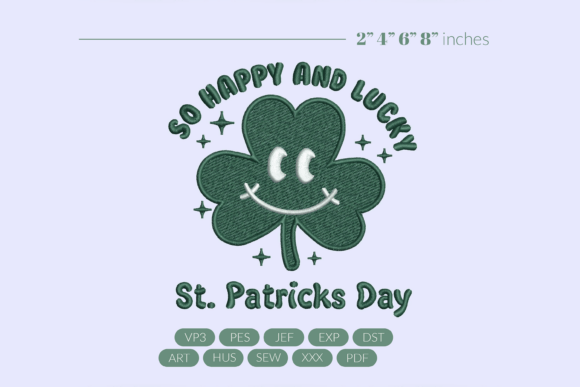
As a professional embroidery designer who constantly evaluates digital assets for both personal crafting and commercial production, I approach every new machine embroidery design with a critical eye. It is not enough for a graphic to look cute on a screen; it must translate into clean stitches, durable wear, and perceived value on a finished product. When reviewing the Happy Lucky Clover Embroidery Design, my immediate focus was on its versatility as a seasonal staple that avoids looking generic. This isn't just another shamrock; the inclusion of the smiling face and "So Happy and Lucky" text gives it a distinct personality that bridges the gap between traditional holiday decor and modern, playful apparel.
First Impressions and Visual Personality
The initial mood of this design is undeniably cheerful without being juvenile. In the world of St Patrick S Day merchandise, there is often an oversaturation of standard green clovers. What makes this specific embroidery file stand out is the anthropomorphic element. The smiling face adds a layer of warmth that appeals to parents shopping for kids' clothing, but the typography keeps it grounded enough for adult accessories. From a digitizing perspective, the layout appears balanced. The text integration suggests that the lettering was likely designed to complement the shape rather than forced underneath it as an afterthought. This balance is crucial when you are trying to create a cohesive handmade product where the embroidery feels intentional and professionally placed.
Real-World Application: Stitching a Toddler Sweatshirt
To truly evaluate this design, I mentally walked through a recent client project involving custom apparel for a spring boutique pop-up. The goal was to create a unisex toddler sweatshirt that felt festive but could be worn beyond March 17th. Using the Happy Lucky Clover Embroidery Design for this application required careful consideration of stitch density and fabric interaction. Sweatshirt fleece is textured and prone to swallowing fine details. Because this design features facial expressions and specific text, I had to ensure the satin stitch columns were wide enough to remain visible against the nap of the fabric.
In this scenario, the design performed exceptionally well as a center chest placement. The "So Happy and Lucky" sentiment acted as a positive affirmation, which resonated strongly with buyers looking for meaningful personalized gift options rather than just holiday novelties. However, I noted that if you are stitching this on high-pile fleece, using a water-soluble topping is non-negotiable to prevent the smiling eyes and mouth from getting lost in the fabric texture. This practical adjustment turned a potentially muddy stitch-out into a crisp, retail-quality garment that justified a higher price point in my shop.
Versatility Across Products and Fabrics
Beyond apparel, this design shows significant promise for various embroidery project types. For Etsy seller inventory, it translates beautifully to canvas tote bags and tea towels. These items typically use tighter-weave fabrics that support detailed fill stitch work and smaller lettering. The playful nature of the clover makes it ideal for nursery decor or baby blankets, where safety and softness are paramount. If adapting this for baby items, I recommend checking if the design includes any jump stitches that need trimming or if it can be modified to reduce thread changes, ensuring the back of the embroidery remains smooth against sensitive skin.
For those running a craft business, this asset also works well for creating embroidered patch inventory. The defined shape of the clover lends itself to a merrowed edge or a satin border finish. Patches are excellent low-risk products to test market demand before committing to full garments. Additionally, because the design has such strong character, it serves as effective content for printable mockup marketing. Even before you stitch a physical sample, the digital preview clearly communicates the vibe, helping drive pre-orders or gauge interest in your social media feeds.
Critical Considerations for Small Hoops and Delicate Fabrics
While versatile, the Happy Lucky Clover Embroidery Design requires caution in specific contexts. The combination of graphic elements and text means there is a minimum viable size. Scaling this down for a 4x4 hoop size might compromise legibility. Always verify the smallest recommended dimensions provided by the digitizer; shrinking text below its intended threshold results in thread breaks and unreadable words. If you need a smaller version for a collar tag or sleeve cuff, look for a separate file specifically redigitized for small areas rather than resizing the master file yourself.
Fabric choice also dictates success. On stretchy knits like ribbed t-shirts, the design’s stability depends entirely on your stabilizer strategy. A cut-away stabilizer is essential here to prevent the smiling face from distorting after washing. Conversely, on sheer or lightweight fabrics, the stitch density might be too heavy, causing puckering or tearing. In those cases, this design might be better suited as an applique design adaptation or simply reserved for sturdier substrates. Dark fabrics present another challenge; ensure the outline or background fill provides enough contrast so the green clover doesn't disappear into a navy or black background.
Professional Designer Notes for Commercial Use
For fellow designers and small shop owners integrating this into your lineup, treat the Happy Lucky Clover Embroidery Design as a premium asset. Before listing any custom apparel or digital products, run a test stitch-out on scrap fabric that matches your final product weight. Check the registration between the text and the graphic; misalignment kills perceived value instantly. Evaluate the thread colors against your brand palette—while traditional green is expected, swapping to a muted sage or adding metallic accents can elevate the design for a luxury boutique aesthetic.
- Verify Licensing: Always confirm whether your purchase includes commercial rights for selling finished goods versus digital files. This distinction is vital for protecting your business.
- Mockup Testing: Create black and white mockups to assess value contrast. If the design looks flat in grayscale, adjust thread sheens or add texture in production.
- Wash Testing: For baby embroidery or kitchen linens, wash the test piece three times. Ensure the "So Happy and Lucky" text holds up without fraying.
- File Management: Organize your digital embroidery file library clearly. Note which formats (PES, DST, JEF) have been tested on your specific machines to avoid compatibility headaches during rush orders.
Elevating Brand Value Through Thoughtful Execution
Ultimately, the Happy Lucky Clover Embroidery Design is more than a seasonal novelty; it is a tool for building customer connection. When executed with attention to stabilizer, sizing, and fabric compatibility, it signals professionalism. Buyers can tell the difference between a rushed holiday stitch-out and a carefully crafted piece of wearable art. By respecting the technical requirements of this design, you ensure that your holiday embroidery offerings maintain the same high standards as your year-round collection. Whether you are creating a one-of-a-kind gift or stocking shelves for the spring rush, let the quality of your craftsmanship shine as brightly as the lucky clover itself.